We offer trauma-Informed EMDR support. Book a complementary 20-minute consultation to learn if EMDR is the right fit for you
What Is Bilateral Stimulation in EMDR Therapy?
When people hear Eye Movement Desensitization and Reprocessing (EMDR), they often assume that eye movement is the core or only technique involved. While eye movements are one well-known part of EMDR, they are not required for EMDR therapy to be effective.
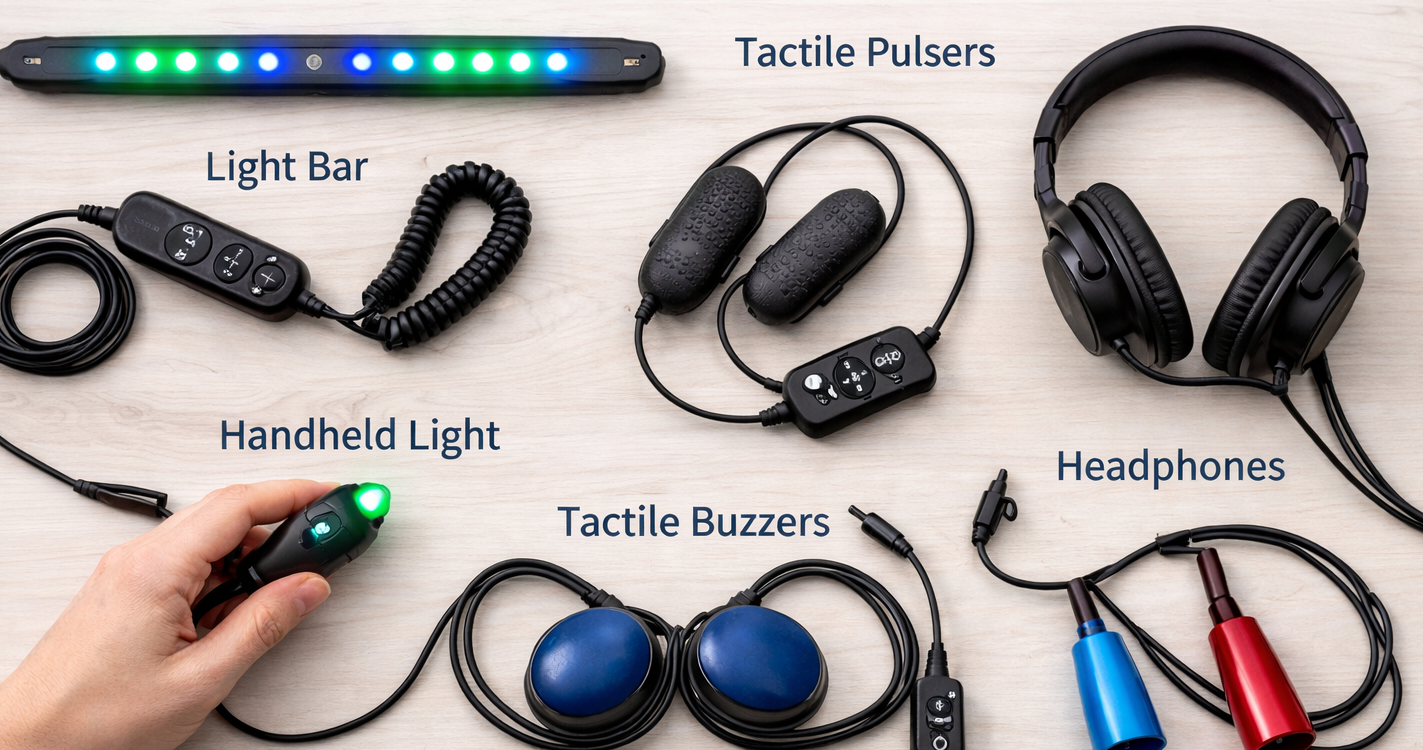
At the heart of EMDR is something called bilateral stimulation (BLS), a set of techniques that gently activate both sides of the brain in a rhythmic, alternating way. Bilateral stimulation can be delivered through eye movements, tapping, or sound, allowing EMDR to be flexible and accessible for people with different needs, sensitivities, and abilities.
The Role of Bilateral Stimulation in EMDR
Bilateral stimulation plays a central role in helping the brain process distressing or traumatic experiences more adaptively.
During EMDR therapy, your therapist guides you to briefly focus on aspects of a difficult memory while bilateral stimulation is taking place. This alternating left-right stimulation is believed to support the brain’s natural information-processing system, allowing experiences that once felt overwhelming to be re-stored in a less distressing, more integrated way.
Many researchers suggest that BLS mirrors aspects of REM sleep, the stage of sleep associated with dreaming and emotional processing. In this state, the brain naturally sorts, integrates, and files memories. EMDR aims to activate a similar process, but while you are awake, grounded, and supported.
Trauma, the Nervous System, and “Stuck” Memories
When we experience something overwhelming, threatening, or emotionally intense, the nervous system’s priority is survival, not reflection. In these moments, we may shift into fight, flight, freeze, or fawn responses. When this happens, the brain’s capacity to fully process the experience can become limited.
As a result, traumatic memories may be stored in a fragmented or “raw” form, closely tied to emotions, bodily sensations, and automatic reactions rather than to context or meaning. Later, when something reminds us of that experience, the nervous system can react as if the danger is happening again.
Bilateral stimulation helps create the conditions needed for the brain to revisit these memories while staying anchored in the present, allowing new, adaptive information to emerge.
Dual Awareness: Staying Present While Processing
An important part of EMDR and bilateral stimulation is dual awareness, the ability to hold awareness of the past while remaining connected to the present moment.
As BLS occurs, clients are encouraged to notice:
Shifts in thoughts or beliefs
Emotional changes
Physical sensations in the body
Any sense of relief, insight, or completion
This balance helps ensure that processing happens safely and within a client’s window of tolerance, rather than becoming overwhelming.
Forms of Bilateral Stimulation Used in EMDR
Although eye movements are the most commonly recognized form of BLS, they are not the only effective option. Many clients find alternative forms more comfortable or better suited to their needs.
Common Types of Bilateral Stimulation
Visual (Eye Movements): Following a therapist’s hand, light, or moving object from side to side
Tactile: Alternating taps on the hands, knees, or shoulders (either by the therapist or self-administered)
Auditory: Alternating sounds played through headphones or speakers
Therapists may also combine methods depending on what feels most effective and regulating for the client.
Is Bilateral Stimulation Effective Without Eye Movements?
Yes. While much of the early EMDR research focused on eye movements, growing evidence and clinical experience support tactile and auditory BLS as effective alternatives.
In fact, some individuals prefer non-visual forms of stimulation, especially those who:
Have a history of seizures, concussion, or traumatic brain injury
Experience migraines or eye strain
Have visual impairments
Find eye movements distracting or uncomfortable
Have difficulty sustaining visual focus (such as with ADHD)
EMDR is designed to be adaptive and client-centred, meaning the method is tailored to the individual, not the other way around.
Bilateral Stimulation in Online EMDR Therapy
Bilateral stimulation can be effectively delivered in virtual EMDR sessions, making trauma-focused therapy more accessible across Ontario.
Depending on the therapist’s approach and the client’s setup, online EMDR may include:
Guided eye movements on screen
Online tools available or BLS
Self-tapping with therapist support
Alternating sounds delivered through headphones
At MindRidge, Clinicians may use various online tools, such as www.bilateralstimulation.io. Clients receive the account details and step-by-step guidance to use this tool.
A Flexible, Compassionate Approach to Healing
One of EMDR’s greatest strengths is its flexibility. Bilateral stimulation is not a rigid technique, but a tool that supports the brain’s innate capacity to heal when provided with the right conditions.
Whether through eye movements, tapping, or sound, BLS allows therapy to meet clients where they are, honouring individual needs, nervous system sensitivities, and personal comfort.
If you’re curious about EMDR or wondering whether bilateral stimulation might be a good fit for you, a consultation with a trained EMDR therapist can help determine the most supportive approach for your healing journey.
At MindRidge, EMDR is delivered by highly experienced clinicians certified by EMDRIA (Eye Movement Desensitization Reprocessing International Association).

MindRidge offers online therapy from anywhere in Ontario.